DIY corsage ideas versus professional florist results
Posted on 24/09/2026
DIY corsage ideas versus professional florist results: what really works, and when
If you're weighing up DIY corsage ideas versus professional florist results, you're probably trying to answer a very ordinary but surprisingly tricky question: can you make something lovely yourself, or is it wiser to hand it over to a florist and let them do what they do best? For weddings, proms, formal dinners, school events, and little family celebrations, a corsage can be a tiny detail that carries a lot of meaning. It sits on a wrist, jacket, or dress and, to be fair, it gets noticed more than people expect.
The choice is not just about cost. It's about time, confidence, freshness, durability, style, and how much stress you want on the day. In this guide, we'll look at the real differences between a handmade corsage and a florist-made one, where DIY shines, where it falls short, and how to make a sensible decision without overcomplicating it. Let's get into the detail properly.
- Why DIY corsage ideas versus professional florist results matters
- How DIY corsage ideas versus professional florist results works
- Key benefits and practical advantages
- Who this is for and when it makes sense
- Step-by-step guidance
- Expert tips for better results
- Common mistakes to avoid
- Tools, resources and recommendations
- Law, compliance, standards, or best practice
- Options, methods, or comparison table
- Case study or real-world example
- Practical checklist
- Conclusion
- Frequently asked questions
Why DIY corsage ideas versus professional florist results Matters
A corsage sounds simple until you actually try to make one. Then the tiny details start to matter: wire tension, stem hydration, ribbon choice, flower size, colour balance, how to stop petals bruising, and whether the whole thing can survive a warm venue, a car journey, or a long ceremony. That is why the comparison matters. You are not just choosing a style. You are choosing a result.
DIY can be brilliant for people who enjoy hands-on projects and want a personal touch. A florist result, though, usually brings polish, structural confidence, and less last-minute panic. Different goals, different wins. If you want a corsage that looks homemade in the nicest sense, DIY can be perfect. If you want a corsage that looks clean, balanced, and camera-ready from every angle, professional floristry tends to hold the edge.
There is also the emotional side. A corsage is often linked to a wedding guest, a prom outfit, a mother-of-the-bride look, or a meaningful family moment. When the flowers are attached badly or wilt too soon, it can feel oddly disappointing. Nothing dramatic. Just enough to take the shine off the day. And nobody wants that.
For couples and families planning wedding accessories, the corsage is part of a wider floral picture. You might be thinking about the bouquet, buttonholes, table flowers, and matching colours. In that case, it can help to look at a florist's wider wedding work too, such as wedding corsages, wedding buttonholes, and the broader weddings collection. That context matters because one small accessory should still fit the whole event story.
How DIY corsage ideas versus professional florist results Works
At a basic level, both approaches aim for the same thing: a secure, attractive floral accessory that stays fresh and looks intentional. The difference is in process, materials, and finish.
How DIY usually works
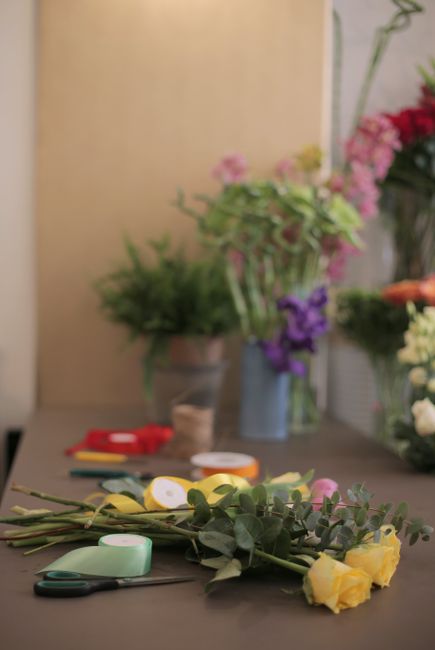
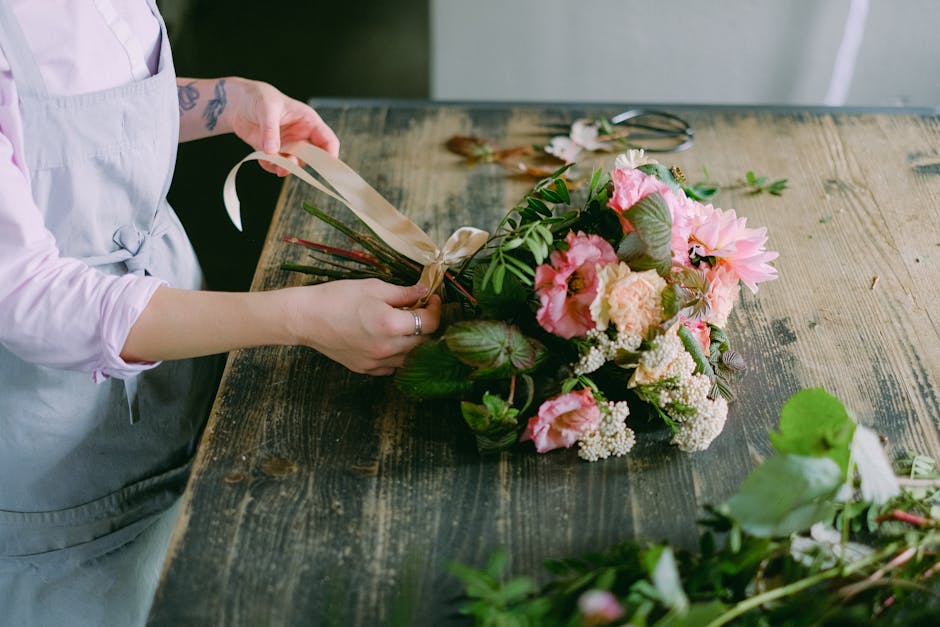
A DIY corsage is typically assembled from small flowers or focal blooms, greenery, floral tape or wire, ribbon, pins or an elastic wrist band, and sometimes glue dots or accessory fixings. Most DIY makers start by choosing compact flowers with sturdy heads, then trim, wire, tape, and attach them to a base. It sounds straightforward. In practice, it takes a bit of fiddling. A surprising amount of fiddling, actually.
The main DIY challenge is control. You are working with delicate material, often at home, often with limited tools, and usually without the habit that comes from making lots of corsages. That means the difference between "sweet and handmade" and "a bit lopsided" can come down to millimetres.
How a florist result usually works
A professional florist already understands flower conditioning, balance, secure mechanics, colour harmony, and how certain blooms behave out of water. They can select varieties that suit the occasion, the outfit, and the expected weather. A florist-made corsage is usually built with a steadier hand and a more consistent finish, then prepared for transport and timing so it arrives looking fresh rather than hopeful.
Florists also tend to think beyond the flower itself. They consider how the corsage sits against fabric, whether the ribbon clashes with satin or lace, and how it will photograph under indoor lighting. That is the sort of thing you only notice when you've seen enough event work to know what goes wrong most often.
What the end result typically feels like
A DIY corsage often feels personal, charming, and budget-conscious. A professional corsage usually feels cleaner, more structured, and more dependable. Neither is automatically better. It depends on the occasion and your tolerance for risk.
Key Benefits and Practical Advantages
Once you compare the two side by side, the benefits become clearer. The best option is not always the fanciest one; it is the one that fits the moment.
Advantages of DIY corsage ideas
- Lower spend potential: If you already have tools or can use supermarket flowers, DIY can be easier on the budget.
- Creative control: You decide the colour palette, shape, ribbon, and exact flower choice.
- Personal meaning: You can use blooms that match the event story, a favourite colour, or a family tradition.
- Flexibility: You can make adjustments right up to the last minute if you have spare materials.
DIY works especially well for smaller, more casual events where a slightly relaxed finish is acceptable. A handmade corsage can feel warm and thoughtful, especially if the recipient values effort over perfection.
Advantages of professional florist results
- Better structure: Florists know how to build accessories that stay together and sit properly.
- Longer-lasting presentation: With proper conditioning and assembly, the flowers tend to look better for longer.
- More refined finish: Florists can produce clean lines, neat binding, and balanced proportions.
- Less stress: You are not trying to solve floral problems on the morning of the event, which is no small thing.
For weddings or formal occasions, professional results often feel safer because they remove a whole category of last-minute worry. The corsage arrives ready to wear. Simple as that, and honestly quite lovely when you are already juggling hair, transport, and people asking where the keys are.
Practical advantage that people often miss
There is a hidden benefit in using a florist: consistency across multiple accessories. If you need corsages for several guests, plus coordinated buttonholes or a bouquet colour match, a florist can keep the palette aligned. That is much harder to do by hand if you are making everything from scratch on a kitchen table with one pair of scissors and a cup of tea going cold nearby.
Who This Is For and When It Makes Sense
Not everyone needs the same level of floral polish. The right choice depends on the event, your skill level, and how much the corsage matters visually.
DIY corsage ideas make sense for:
- Budget-conscious celebrations
- Crafty people who enjoy making things by hand
- Small family gatherings
- School events or informal proms
- People who want a sentimental, homemade touch
If you are the kind of person who likes a project and doesn't mind a few test runs, DIY can be satisfying. You might even enjoy the quiet part of the process: choosing ribbon, trimming stems, testing a shade against a dress, and finding that one bloom that just works.
Professional florist results make sense for:
- Weddings and engagement events
- Formal black-tie occasions
- High-pressure events where timing matters
- Situations where the corsage must match a larger floral scheme
- Anyone who wants a finished look without the stress
If the corsage will appear in photos, be worn for several hours, or needs to coordinate with a dress code, florist-made usually starts to look like the sensible choice. Not glamorous advice, perhaps, but sensible.
A useful rule of thumb
If the corsage is "nice to have", DIY may be enough. If it is "must look right", go professional. That one line saves a lot of indecision.
Step-by-Step Guidance
If you are still deciding, it helps to understand the actual workflow behind each option. Once you can see the steps, the choice becomes less abstract.
DIY corsage step-by-step
- Choose flowers with strong heads. Roses, spray roses, orchids, carnations, and small chrysanthemums are often more manageable than very fragile blooms.
- Pick a colour story. Keep it simple. Two or three tones is usually enough unless you deliberately want a more playful look.
- Prepare the flowers. Remove extra foliage, trim stems, and keep blooms cool until assembly.
- Build the structure. Wire or tape the flowers so they sit securely and do not droop.
- Add support. Use ribbon, a wristband, or pins depending on how the corsage will be worn.
- Test the fit. Hold it against the wrist or outfit to check scale and balance.
- Store carefully. Keep it chilled and protected from crushing until needed.
A small detail matters here: make the corsage slightly sturdier than you think you need. DIY pieces can loosen over time if the tape or wire is too light. A little extra care up front saves awkward repairs later.
Professional florist step-by-step
- Discuss the event and outfit. This helps the florist match style, flower type, and colour.
- Select suitable blooms. A florist will balance appearance with durability.
- Prepare and condition the flowers. This is a big part of getting the result to last.
- Construct the corsage. The florist will create a secure, neat arrangement with cleaner proportions.
- Finish with ribbon or fastening. The attachment method is chosen for comfort and appearance.
- Store and deliver properly. This reduces bruising and keeps everything event-ready.
Florist work is less about guessing and more about managing outcomes. That is the real advantage. The result may look effortless, but there is usually a fair bit of know-how behind it.
What to ask yourself before deciding
Ask three simple questions. Do I have the time? Do I have the tools? Will I be calm enough on the day if this needs fixing? If the answer to the last one is "probably not", that's a clue worth listening to.
Expert Tips for Better Results
A few good habits can improve either route. These are the small things that separate "fine" from "really rather good".
- Use compact blooms: Large flowers can overwhelm a corsage and make it harder to wear.
- Keep the palette restrained: Clean colour choices usually look more elegant than too many competing tones.
- Think about fabric: A corsage on lace behaves differently from one on satin, and you'll notice the difference in photos.
- Make it slightly lighter than you expect: Heavy corsages tug at clothing and feel uncomfortable after a while.
- Prep earlier than you think: The morning of the event is not the moment for first attempts, truth be told.
For DIY projects, do a test build the day before. Even a rough practice run tells you a lot about scale, attachment, and whether your chosen flower variety is too delicate. For florist orders, bring a photo of the outfit if you can. That little reference can really sharpen the result.
If you are matching wedding accessories, think beyond the corsage itself. A florist can align the look with the wider wedding styling, which is helpful if you want the corsage to sit comfortably alongside other floral details such as bridesmaid bouquets or a coordinated bridal bouquet.
Common Mistakes to Avoid
Most corsage problems are not dramatic. They are just annoying little issues that add up. A ribbon that slips. A bloom that browns at the edge. A fastening that digs into fabric. That sort of thing.
- Choosing flowers that are too fragile: Petal-heavy blooms can bruise easily and look tired fast.
- Overcomplicating the design: More flowers is not automatically better. A corsage has a small footprint.
- Ignoring the wearer's outfit: A bold corsage on a heavily patterned dress can look busy rather than elegant.
- Making it too late: Fresh flowers need proper timing, or they wilt before the event begins.
- Using weak attachment methods: A beautiful corsage that won't stay put is a problem waiting to happen.
- Forgetting comfort: If it scratches, pinches, or pulls, it will not be worn with confidence.
One small but common DIY mistake is trying to copy a florist finish without the florist technique. That is a bit like making a sponge cake and expecting a wedding-tier finish because you used a nice plate. Lovely idea. Slightly optimistic.
For professional orders, the main mistake is under-briefing. If you do not share the event type, outfit colours, or wear method, the florist is left to fill in the blanks. They can still do a good job, but you'll usually get better results with a clearer brief.
Tools, Resources and Recommendations
The tools you need depend on the route you choose, but it helps to think practically. Good tools do not make up for poor technique, but they do make the work easier and neater.
Useful DIY tools
- Sharp floral scissors or secateurs
- Floral wire and tape
- Ribbon or satin tie
- Small pins or wristband fixings
- Clean tray, tissue, or paper for staging
- Water spray bottle for light misting
Helpful florist-side considerations
- Ask about flower choice for durability
- Check whether the corsage is designed for wrist or pin wear
- Confirm collection or delivery timing
- Request coordination with the event palette if needed
If you want a quick route with less risk, a ready-made florist corsage is often the more reliable option. You can browse styles like Sweet Seduction Wedding Corsage, White Wonders Wedding Corsage, or Pretty in Pink Wedding Corsage to compare finishes and styles before you commit.
If you are in the broader Lee SE12 area and want local flower support, it can also help to know you can speak to a florist in Lee SE12 or check options for flower delivery in Lee SE12 if the corsage needs to arrive neatly and on time.
Law, Compliance, Standards, or Best Practice
For corsages, there is usually no heavy legal compliance issue for the buyer in the way there might be for food, cosmetics, or certain regulated goods. Still, best practice matters. If a florist is supplying the item, they should handle flowers responsibly, present products clearly, and be transparent about delivery, substitutions, and refunds where relevant. That is just sensible retail practice.
If you are ordering for a wedding or formal event, it is wise to check the florist's terms, delivery expectations, and substitution policy before placing an order. Fresh flowers are seasonal by nature, so exact stem variety may sometimes vary. A good florist will say this plainly rather than pretending every stem is always available. Honest is better.
For DIY makers, hygiene and handling matter more than regulation. Use clean tools, keep flowers cool, and avoid using materials that may mark delicate fabrics. Pins and wires should be secured properly so they do not catch or scratch. If children will be nearby, keep small components out of reach. Nothing fancy. Just common sense and a bit of care.
If the corsage forms part of a larger event order, it is worth checking broader service information such as delivery, returns and refund guidance, and guarantees so you know what to expect if timing changes or substitutions are needed.
Options, Methods, or Comparison Table
If you are still stuck, this side-by-side comparison usually makes the decision clearer. Not perfect, but useful. Very useful, in fact.
| Factor | DIY corsage | Professional florist result |
|---|---|---|
| Cost control | Can be lower if you already have materials | Usually higher, but more predictable |
| Finish | Varies with skill and time | Typically cleaner and more balanced |
| Durability | Depends heavily on technique and flower choice | Usually stronger and better conditioned |
| Stress level | Higher if you are making it close to the event | Lower because the florist manages the build |
| Customisation | High, if you are happy to experiment | Very high, with expert guidance |
| Best for | Casual events, crafts, personal touches | Weddings, formal occasions, reliable presentation |
One practical middle ground is to DIY the concept but buy the flowers from a florist. That gives you better stems, better freshness, and usually less disappointment. It is not quite the same as a fully professional result, but it can close the gap nicely.
Case Study or Real-World Example
Here's a very typical scenario. A family is preparing for a spring wedding in London, and they want matching floral accessories for two guests and a bride's mother. The initial thought is to make the corsages at home because "it should be easy enough." Then someone remembers the ceremony starts early, the schedule is already tight, and one of the dresses is a tricky shade of soft green that photographs differently in daylight and indoors.
They compare a DIY plan with a florist-made alternative. The DIY version would need flowers bought a day ahead, tools gathered, a test run, a bit of trial and error, and careful storage overnight. The florist option arrives ready to wear, matched to the wedding palette, and easier to coordinate with the rest of the day's flowers. In the end, they choose professional corsages for the key family members and keep the DIY idea for a smaller informal gathering later in the year.
That is the real pattern we see quite often. DIY is lovely when time is generous and the look can be a little relaxed. Professional work becomes worth it the moment the occasion is less forgiving. You do not always need a luxury solution. But you do need a reliable one when the event matters.
It also helps to think about the wider order. If someone is already arranging flowers for the bouquet, wedding party, and venue accents, adding a professionally made corsage can save a lot of coordination. Sometimes the smartest decision is not the cheapest one on paper. Funny how that works.
Practical Checklist
Use this quick checklist before you decide. It keeps the decision grounded and stops you drifting into wishful thinking.
- Have I got enough time to make and test the corsage properly?
- Do I know which flowers will hold up best for the event length?
- Will the corsage need to match a specific outfit or colour scheme?
- Do I have the right tools and materials at home?
- Is the event formal enough that a polished finish matters a lot?
- Will I feel calm if I need to fix or remake it on the day?
- Do I need multiple corsages or matching accessories?
- Would a florist-made option reduce stress without blowing the budget too far?
- Have I checked delivery timing or collection details if ordering professionally?
- Have I considered comfort, fastening, and how the corsage will sit on clothing?
If you can answer "yes" to most DIY questions, go for it. If you keep hesitating, that hesitation is probably telling you something useful.
Get a free quote today and see how much you can save.
Conclusion
DIY corsage ideas versus professional florist results is not really a battle between good and bad. It is a decision between control and convenience, sentiment and polish, craft and confidence. DIY can be heartfelt, creative, and perfectly adequate for the right occasion. A florist result can be more refined, more dependable, and far less stressful when the moment really matters.
If your event is casual and you enjoy making things, DIY can absolutely work. If the corsage needs to look beautiful for hours, match other flowers, and hold up under real-life pressure, professional floristry is usually worth it. In the end, the best choice is the one that lets you enjoy the day instead of fussing over a ribbon that will not lie flat. And that, honestly, is what most people want.
Choose the option that gives you peace of mind. The flowers will do the rest.
Frequently Asked Questions
Is a DIY corsage cheaper than buying from a florist?
Often it can be, especially if you already have tools and can buy flowers economically. But once you factor in time, waste, and any extra materials, the saving is not always as big as people expect. If you only need one corsage, the difference may be modest.
What flowers are best for a DIY corsage?
Compact, sturdy blooms are usually easiest to work with. Roses, spray roses, carnations, orchids, and small chrysanthemums are common choices because they hold shape better than very delicate petals. The best flower also depends on the event style and colour palette.
Why do florist corsages look more polished?
Florists have the benefit of experience, stronger techniques, and better control over freshness and structure. They know how to balance size, colour, and fastening so the corsage sits neatly and stays presentable for longer.
Can I make a corsage the day before the event?
Sometimes, yes, but it depends on the flowers and how well they are stored. Some blooms will cope better than others. If you are making your own, keeping the corsage cool and protected is essential. For important events, a florist-made option is usually safer.
What is the biggest risk with DIY corsages?
The biggest risk is usually durability. A corsage can look lovely when first assembled and then start to droop, loosen, or flatten if the materials or construction are not strong enough. Timing and flower choice matter a lot.
Are florist corsages worth it for weddings?
For many weddings, yes. They reduce stress, match the wider floral design, and usually present more consistently in photos. If the corsage is for a key family member or a formal outfit, a florist result is often worth the extra cost.
How do I keep a DIY corsage fresh?
Use fresh flowers, store the corsage in a cool place, avoid direct sun, and handle it as little as possible before wearing. A light mist can help in some cases, but too much moisture can cause problems. Keep it simple and careful.
Do wrist corsages or pin-on corsages look better?
Neither is automatically better. Wrist corsages are practical and easy to wear, while pin-on corsages can look more traditional or tailored. The choice usually depends on the outfit, comfort, and the look you want.
Can a florist copy a DIY idea exactly?
Usually they can get very close if you provide a clear reference photo or explain the look you want. That said, florists may suggest changes if a design would not hold up well in real use. That advice is usually worth listening to.
What should I tell a florist when ordering a corsage?
Share the occasion, outfit colour, fastening preference, and any flowers or colours you want to avoid. If you are matching a dress or suit, a photo helps. The clearer your brief, the better the result tends to be.
Is a DIY corsage suitable for prom or formal school events?
It can be, if the design is simple and you have time to practise. But proms are often busy, emotional, and photograph-heavy. If you want a look that lasts through the whole evening with less fuss, professional floristry is often the calmer choice.
What is the best middle ground between DIY and professional?
A useful middle ground is buying good-quality flowers from a florist or trusted flower shop and assembling a simple design yourself, or asking for a florist-made corsage but keeping the style minimal. That gives you either more control or more polish without going to an extreme.
Where can I find ready-made corsage options locally?
If you are in Lee SE12 or nearby, it may help to look at local flower delivery and florist pages that offer wedding pieces and event flowers. That gives you a quicker route to something dependable, especially if the event date is close.