Top mistakes people make when choosing funeral flowers
Posted on 19/10/2026
Choosing funeral flowers can feel simple from the outside. In reality, it is one of those decisions that carries more weight than people expect. You are trying to show respect, avoid offence, fit a budget, and get the tribute right for a very specific moment in someone's life. That is exactly why the top mistakes people make when choosing funeral flowers matter so much: a small slip can make an already hard day feel even harder.
If you have ever stood in a florist looking at sprays, wreaths, posies, and letter tributes wondering, What on earth is appropriate?, you are not alone. Truth be told, most people are not choosing funeral flowers every week. So it is easy to lean on habit, guesswork, or a rushed online order at the last minute. This guide walks you through the common errors, how to avoid them, and what to do instead so the flowers feel thoughtful, calm, and fitting.
Whether you are arranging flowers for a service, sending sympathy flowers to the family, or choosing something personal for a crematorium or church setting, the practical advice below should help you make a better decision without adding more stress to an already emotional task.
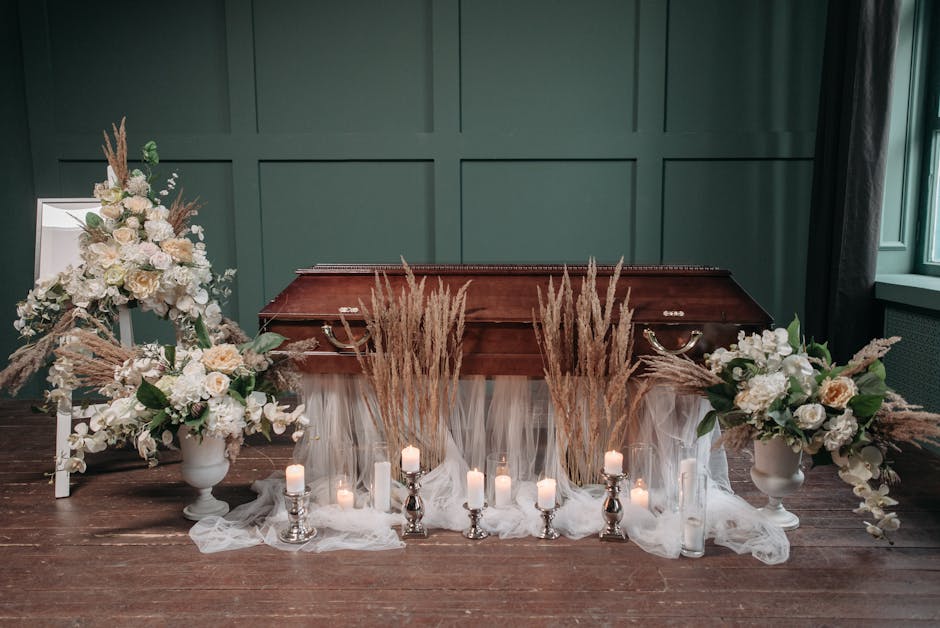
Table of Contents
- Why these mistakes matter
- How choosing funeral flowers works
- Key benefits of getting it right
- Who this guide is for
- Step-by-step guidance
- Expert tips for better results
- Common mistakes to avoid
- Tools, resources and recommendations
- Law, compliance and best practice
- Options and comparison table
- Case study or real-world example
- Practical checklist
- Conclusion
- Frequently asked questions
Why Top mistakes people make when choosing funeral flowers Matters
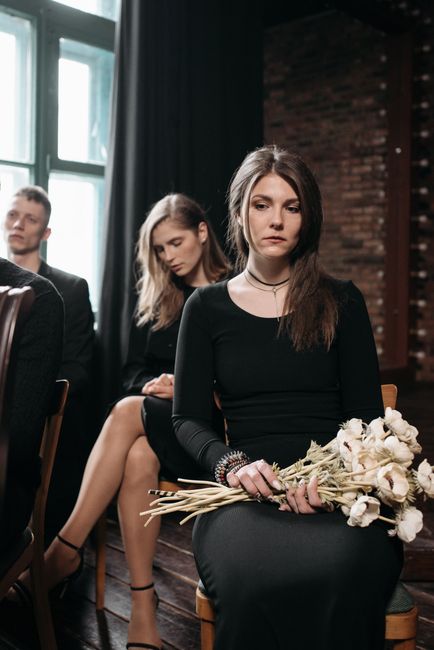
Funeral flowers are not just decoration. They communicate sympathy, respect, remembrance, and sometimes a very personal relationship with the person who has died. A well-chosen tribute can feel quietly comforting. A poorly chosen one can feel out of place, too casual, too grand, or simply mismatched to the family's wishes.
That is why the top mistakes people make when choosing funeral flowers matter in a practical sense, but also in a human one. A wreath that is too large may overwhelm a small venue. Bright celebratory colours may be lovely in another context, but not always right for a sombre service. And a tribute chosen in a rush may say the wrong thing entirely. Little details matter here. They really do.
In our experience, people usually do not regret being thoughtful. They regret being vague, delayed, or assuming there is only one "correct" option. There usually is not. There are sensible choices, respectful choices, and choices that fit the person and the family better than others.
One more thing: funeral flowers can also affect timing and logistics. If the service is early in the morning, if the venue has limited space, or if the family has asked for donations instead of flowers, then the decision changes. That is why a bit of structure helps so much.
Expert summary: The best funeral flower choices are usually the ones that reflect the relationship, suit the venue, respect the family's wishes, and arrive on time. Fancy is not the same as fitting.
How Top mistakes people make when choosing funeral flowers Works
At a basic level, choosing funeral flowers means matching the right floral style to the right situation. That sounds straightforward, but there are a few moving parts: who the flowers are for, where they will go, who is organising them, and what kind of tribute is considered appropriate.
Most funeral flower decisions fall into one of these broad categories:
- Service flowers for the church, crematorium, or chapel
- Casket sprays placed directly on the coffin
- Wreaths, sheaves, and cushions as formal tributes
- Posies and baskets for a softer, smaller arrangement
- Sympathy flowers sent to the home or family after the service
- Letter tributes or shaped tributes that spell a name or symbolise a relationship
The process is usually less about "picking a pretty bouquet" and more about asking a few thoughtful questions. Was the deceased a parent, partner, friend, or colleague? Is the family following a religious or cultural tradition? Has anyone asked for specific colours, flowers, or wording? Is there enough time for a bespoke tribute, or is a ready-made option more sensible?
If you want a simple way to think about it, funeral flowers work best when they are chosen with the service in mind, not just the flowers themselves. That is the bit people miss. They choose the bloom, but not the setting.
Key Benefits and Practical Advantages
Getting funeral flowers right has practical and emotional benefits. It is not about perfection; it is about care. And care shows in the details.
- It avoids awkwardness. You are less likely to choose something that clashes with the service or feels unintentionally inappropriate.
- It helps the family feel supported. A good tribute can be a quiet sign that you understood the person and valued them.
- It saves time and stress. Clear choices mean fewer last-minute phone calls and fewer second-guessing moments.
- It supports better budgeting. Once you understand the main types, you can choose something meaningful without overspending.
- It improves delivery and presentation. The right size and style are easier for a florist to prepare and deliver on time.
There is also a softer benefit: confidence. When people know they have selected the right kind of funeral flowers, they tend to feel calmer. You may still feel sad, of course. That does not go away. But at least one decision is settled, and that matters on difficult days.
A small but useful bonus: understanding the options also helps if you are arranging flowers for a service in London or elsewhere in the UK, where venues can vary widely in size and formality. A compact basket might suit a funeral home with limited display space better than a large arrangement, for example. Common sense beats guesswork every time.
Who This Is For and When It Makes Sense
This guide is for anyone who needs to make a funeral flower decision and does not want to get it wrong. That includes family members, close friends, neighbours, colleagues, employers, and people ordering on behalf of a group.
It is especially useful if you are:
- choosing flowers for a funeral service for the first time
- trying to balance tradition with a more personal tribute
- ordering under time pressure
- unsure whether to send funeral flowers or sympathy flowers
- working with different faith, cultural, or family preferences
- selecting flowers for a colleague or client, where tone matters a great deal
It also makes sense if you are the sort of person who likes to understand the why behind a purchase before placing an order. Fair enough. When a decision feels emotionally loaded, a little clarity goes a long way.
Sometimes the right choice is a formal wreath. Sometimes it is a simple spray. Sometimes it is not flowers at all, especially if the family has requested donations or a very minimal service. Knowing when flowers make sense is part of making a respectful decision, not a side issue.
Step-by-Step Guidance
Here is a practical way to approach the decision without overcomplicating it. Keep it simple, but not careless.
1. Start with the family's wishes
If the family has asked for donations instead of flowers, follow that request. If they have suggested a colour theme, a favourite flower, or a particular style, treat that as your starting point. It sounds obvious, but this is one of the most commonly overlooked steps.
2. Consider your relationship to the person
Your relationship usually guides the type and scale of tribute. A spouse or immediate family member may choose a casket spray or heart tribute. Friends, neighbours, or colleagues often choose wreaths, posies, or sympathy flowers. There is no hard rule, but the relationship should influence the tone.
3. Match the setting
Think about where the flowers will be placed. A church service may allow more formal arrangements. A crematorium chapel may need something neat and compact. If the venue is small, a huge tribute may dominate the space. Nobody wants that. It's a funeral, not a flower show.
4. Choose colours with care
White and green are traditional and widely appropriate. Soft pinks, purples, and creams often feel gentle and respectful. Brighter colours can be lovely when they reflect the personality of the deceased, but they should be used thoughtfully. Colour can say a lot. Sometimes more than people realise.
5. Pick the right flower type
Common funeral flowers include lilies, roses, chrysanthemums, carnations, alstroemeria, and mixed seasonal blooms. Each has a slightly different feel. Lilies often read as elegant and serene. Roses can feel classic and personal. Chrysanthemums are often used in funeral tributes and sympathy arrangements in the UK. If you want something softer and less formal, a basket or posy may be a better fit than a large structured piece.
6. Check timing and delivery details
Funeral flowers should arrive before the service begins, and delivery instructions need to be exact. Double-check the venue name, service time, and the name of the deceased. A tiny mistake in the details can create a surprisingly big problem. It happens more often than people think.
7. Add a message card that feels sincere
Keep the wording short and genuine. A few well-chosen words often mean more than something overly formal. For example, "With deepest sympathy," "In loving memory," or "Thinking of you at this difficult time" are simple, respectful, and familiar.
Expert Tips for Better Results
A florist with real funeral experience will usually look beyond the obvious. They will think about proportion, symbolism, timing, and practicality all at once. That's the job, after all. Here are a few expert-level tips that make a real difference.
- Ask what the arrangement will look like from a distance. Large funeral spaces can swallow small tributes. A florist can help you choose something with enough presence.
- Choose seasonally where possible. Seasonal flowers often look fresher and feel less forced. They can also be easier to source quickly.
- Be specific if the tribute is personal. If the person loved roses, purple flowers, or a particular style, say so. The more context you give, the better the result.
- Leave room for wording and ribbon colour. Small details on a tribute can carry real emotional weight.
- Think about who will see the flowers. What feels right to the family at the front may not be the same as what feels right in a communal tribute area.
If you are unsure, it is usually better to choose something elegant and restrained rather than something loud and overdesigned. That is not a hard-and-fast rule, but it is a solid one.
And yes, a florist can help guide you. That is part of the service. You do not need to know everything before you enquire. Nobody expects that.
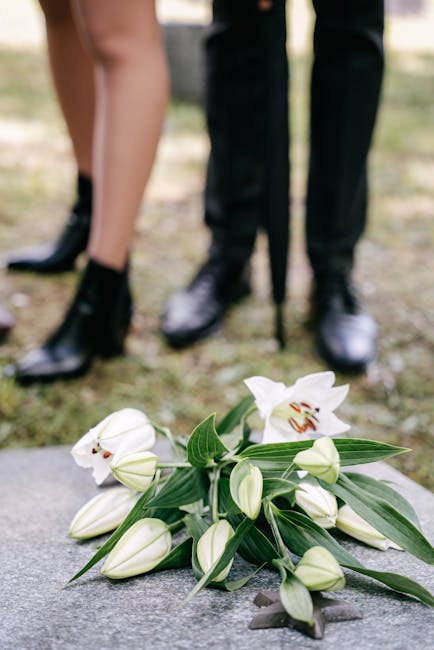
Common Mistakes to Avoid
Here is the heart of the matter: the top mistakes people make when choosing funeral flowers are usually avoidable. Most happen because the person is grieving, rushing, or trying to be helpful without enough information. That is understandable. Still, they can be sidestepped.
1. Choosing the wrong style for the relationship
A grand heart tribute may be perfect for a partner or immediate family member, but feel too much for a work colleague. Likewise, a tiny posy may feel a bit slight if you are organising flowers from the whole family. Match the tribute to the connection.
2. Ignoring the family's wishes
If the family has asked for donations, a charity collection, or a specific colour theme, do not override that just because you prefer something else. This is one of the most important etiquette points. The service belongs to them first.
3. Overlooking venue size
What looks beautiful in a florist photo may be completely wrong for a compact chapel or a crowded church porch. Scale matters. Ask how big the arrangement is in real life, not just in pictures.
4. Picking flowers for yourself instead of the deceased
People sometimes choose what they like personally rather than what reflects the person being honoured. It sounds small, but it changes the tone. Funeral flowers are a tribute, not a style statement.
5. Leaving it too late
Last-minute ordering limits your options. You may have to settle for a generic arrangement rather than something more fitting. If a bespoke tribute is important, order as early as you reasonably can.
6. Choosing colours that send the wrong message
There is nothing wrong with colour. Not at all. But intense, celebratory, or highly unusual colours may feel out of place if the rest of the service is traditional and subdued. Think carefully about the atmosphere.
7. Forgetting delivery instructions
A missing venue name, wrong time, or incomplete contact detail can create avoidable stress. Funeral logistics are unforgiving in that sense. A small error can cause a very awkward scramble.
8. Writing a card message that feels too casual
Humour, slang, and overly personal shorthand can miss the mark unless you know the family very well. Keep it respectful and simple.
One line is enough sometimes. Really.
9. Assuming all flowers mean the same thing
Different flowers and arrangements have different associations, but they also carry different practical purposes. A wreath is not the same as a spray, and a sympathy bouquet is not the same as a casket tribute. Knowing the difference helps you avoid mismatched expectations.
10. Not checking cultural or religious preferences
Different families may have particular traditions around flowers, colours, or display styles. When in doubt, ask respectfully rather than assume. A brief, considerate question is better than a well-meant mistake.
Tools, Resources and Recommendations
You do not need specialist equipment to choose funeral flowers, but a few practical tools and resources make the process easier.
- A short notes list with the person's favourite flowers, colours, hobbies, or personality traits
- The service details including venue, time, date, and any instructions from the family
- Budget range so you can compare tribute types realistically
- Phone or email access to the florist in case a detail needs clarifying quickly
- A few simple message options so you are not writing the card in a rush at midnight
In some cases, browsing a florist's funeral range can help you understand what is available before you call. For example, a dedicated page such as funeral flowers in Lee SE12 can be useful if you want to see typical tribute styles and compare options calmly. If you are ordering on a tighter budget, a range like budget flowers or a simpler sympathy choice may be more appropriate than a large bespoke tribute.
For a softer, more general expression of sympathy, you might also consider sympathy flowers or a smaller tribute such as sympathy flowers that is easy to place and still feels thoughtful. Those options are often a good fit when you want to show care without going over the top.
If the order needs to reach the family quickly, checking delivery timing and service coverage matters. A local florist page such as florist Lee SE12 may help if you are arranging something nearby and need reassurance that the timing can work. The practical part is boring, admittedly, but it is the part that keeps things on track.
Law, Compliance, Standards, or Best Practice
There is not usually a complex legal framework for choosing funeral flowers in the way there might be for medical, financial, or building work decisions. Still, there are some best-practice points worth respecting.
Follow the family's instructions first. If they request donations instead of flowers, or ask for a specific style, that should guide your choice. It is a matter of courtesy and respect.
Be accurate with delivery information. Funeral venues, especially crematoriums and chapels, work to tight schedules. A wrong time or venue name can mean missed delivery. No one wants that stress on the day.
Check any religious or cultural customs carefully. In the UK, funeral customs vary widely. Some families prefer floral tributes; others may have traditions that limit certain flowers, colours, or forms. When in doubt, ask in a gentle, straightforward way.
Keep messages appropriate. A card message should be respectful and sincere. If you are representing a business or a group, use wording that reflects that context. Plain English is usually best.
Confirm refund or substitution terms if you are ordering in advance. Florists often need to substitute flowers due to seasonal availability. That is normal. If a specific bloom is important, ask how substitutions are handled. You can also review general order information through pages such as terms and conditions, delivery information, and returns and refund details if you want to understand the wider process before placing an order.
Options, Methods, or Comparison Table
Different funeral flower choices serve different purposes. Here is a simple comparison to help you narrow things down.
| Option | Best for | Typical feel | Things to watch |
|---|---|---|---|
| Wreath | Formal tribute, family, close friends, colleagues | Traditional, respectful, circular symbol of remembrance | Can feel too formal if the setting is very informal |
| Spray | Casket tribute or displayed on a stand | Structured, elegant, often larger | Needs the right size for the venue and relationship |
| Posy | Smaller tribute from friends or neighbours | Compact, gentle, easy to place | May look too small for a very large service |
| Basket | Flexible sympathy or service arrangement | Soft, practical, easy to handle | Less formal than wreaths or sprays |
| Letter tribute | Immediate family, named tribute, central display | Personal, prominent, highly visible | Needs careful spelling and planning |
| Sympathy flowers | Home delivery to the family | Supportive, comforting, less ceremonial | Not always suitable for the service itself |
If you want a more personal tribute, a named arrangement may be the right route. If you want something understated, a basket or posy can be enough. And if you are ordering as a group, larger options such as wreaths or sprays usually make more sense than everyone sending separate smaller pieces. It avoids clutter. It also avoids six nearly identical cards from the same office, which happens more often than you'd think.
Case Study or Real-World Example
A common real-world scenario goes like this: a family member wants something "simple but beautiful" for a crematorium service. They have very little time, the venue is small, and they are unsure whether to choose white lilies, mixed seasonal blooms, or a wreath. They also do not want anything that feels too formal.
In that situation, the wrong move would be to order a large, highly ornate arrangement simply because it looks impressive online. The better move would be to consider the size of the chapel, the personality of the person who died, and the family's tone for the day. A smaller sympathy arrangement, a modest wreath, or a soft white and green tribute may fit better.
Another example: a group of colleagues are sending flowers for a retired team member. They want something respectful but not overly intimate. Rather than choosing a heart-shaped tribute, they might choose a classic wreath or a tasteful basket with a message from the team. It feels appropriate because it matches the relationship. Nothing dramatic, just right.
These kinds of decisions are rarely about perfection. They are about fit. Once you start thinking in those terms, the choices become clearer.
Practical Checklist
Use this checklist before you place the order.
- Have I checked whether the family asked for flowers, donations, or a specific tribute style?
- Do I know the venue, date, and service time exactly?
- Is the tribute size appropriate for my relationship to the person?
- Have I considered the person's favourite flowers, colours, or personality?
- Will the arrangement fit the venue and not overwhelm the space?
- Have I chosen a message that is short, respectful, and sincere?
- Do I understand whether substitutions may be needed for seasonal flowers?
- Have I allowed enough time for preparation and delivery?
- Would a wreath, spray, posy, basket, or sympathy arrangement make the most sense?
- Have I double-checked all spelling, especially the deceased's name and any tribute wording?
Simple, yes. But that is often enough. A good checklist can save a lot of emotional and practical faff.
Conclusion
The top mistakes people make when choosing funeral flowers usually come down to rushing, guessing, or forgetting that the flowers must suit both the person and the service. Once you slow the decision down and look at it properly, the right choice is often easier to see. Think about relationship, setting, family wishes, timing, and tone. That framework will help more than trying to find the "perfect" arrangement.
In the end, funeral flowers do not need to be extravagant to be meaningful. They need to feel considered. That is what people remember. A quiet, fitting tribute often says more than something elaborate ever could.
If you are still unsure, start with the basics, ask a florist for guidance, and choose the option that feels calm, respectful, and true to the moment. That is usually the best path forward, even when emotions are running high.
Get a free quote today and see how much you can save.
And if all you manage today is one thoughtful choice, that is enough. Sometimes enough is exactly right.
Frequently Asked Questions
What are the most common mistakes when choosing funeral flowers?
The most common mistakes are ignoring the family's wishes, choosing the wrong size for the venue, leaving the order too late, and picking flowers that do not match the relationship or setting.
Should funeral flowers always be white?
No. White is traditional and widely appropriate, but soft pinks, purples, creams, and other tasteful colours can also be suitable depending on the person and the family's preferences.
What flowers are most appropriate for a funeral?
Common funeral flowers in the UK include lilies, roses, chrysanthemums, carnations, and mixed seasonal blooms. The best choice depends on the tone of the service and the relationship to the deceased.
Is it better to send funeral flowers or sympathy flowers?
Funeral flowers are usually sent to the service or venue, while sympathy flowers are typically delivered to the family's home. If you are unsure, sympathy flowers are often a gentle, practical choice.
How far in advance should funeral flowers be ordered?
As early as possible, especially if you want something bespoke. That said, many florists can still help with shorter notice if the design is straightforward and delivery details are clear.
Can I send flowers if the family has asked for donations?
Usually no, or at least not unless the family has said flowers are also welcome. If donations are requested instead of flowers, it is best to respect that wish.
What is the difference between a wreath and a spray?
A wreath is a circular tribute often associated with remembrance and continuity. A spray is generally a more structured arrangement that may be placed on a coffin or displayed at the service.
Are letter tributes too personal for colleagues or friends?
They can be, depending on the relationship and the family's wishes. Letter tributes are often chosen by close family members, while colleagues and friends usually opt for wreaths, posies, or sympathy arrangements.
What should I write on a funeral flower card?
Keep it brief and sincere. Phrases like "With deepest sympathy," "In loving memory," or "Thinking of you at this sad time" are simple and appropriate for most situations.
Can funeral flowers be colourful?
Yes, if the colours reflect the person's personality or the family's preferences. Bright flowers can be beautiful, but they should still feel respectful and in keeping with the tone of the service.
What if I do not know the deceased well?
If you are attending as a colleague, neighbour, or friend of the family, a simple sympathy arrangement or a modest wreath is usually a safe and considerate choice. Keep it respectful and uncomplicated.
How do I make sure the flowers arrive on time?
Provide exact venue details, the full name of the deceased, the service time, and clear contact information. Double-check everything before submitting the order, because funeral timings leave very little room for error.